Shri Mata Lalita Devi Temple Naimisharanya: India’s Heart Shakti Peeth Where Maa Sati’s Heart Fell.https://talentastro.com/
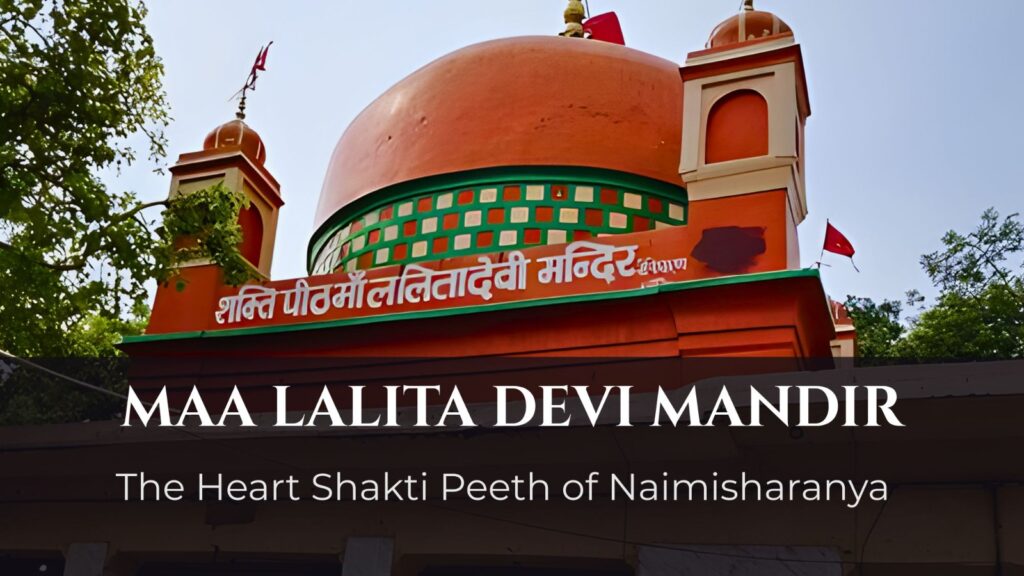
Among all the Shakti Peethas in India, the Shri Mata Lalita Devi Temple located in Naimisharanya holds a unique glory. This is where Maa Sati’s heart fell, which is the center of life for every living being. Therefore, this pilgrimage site is not just a religious place, but a location where there are immense possibilities for emotional healing, spiritual awakening, and life transformation.
The same Naimisharanya where 88,000 sages performed penance, where Maharishi Vyasa composed the Mahabharata, and where the Vedas were first recited – still blesses every visitor with its divine energy.
The Mythological Story of Naimisharanya: How This Place Became the Most Sacred Pilgrimage
The Story of Daksha’s Yajna and Maa Sati’s Sacrifice
https://talentastro.com/The Story of Daksha’s Yajna and Maa Sati’s Sacrifice
In ancient times, when Daksha Prajapati organized a grand yajna, he did not invite Lord Shiva and insulted him during the ceremony. Maa Sati could not bear this insult. Seeing her father’s disrespect for her husband, Maa Sati jumped into the sacrificial fire and gave up her life.
When Lord Shiva learned of this incident, he became mad with anger and grief. He picked up Sati’s body and began roaming throughout the universe performing the Tandava dance. His Tandava began causing destruction across the entire creation.
Then Lord Vishnu divided Maa Sati’s body into 51 parts with his Sudarshan Chakra. Wherever her body parts fell, a Shakti Peetha was established. Maa Sati’s heart fell in Naimisharanya, and here she was enshrined in the form of Maa Lalita Devi.
The Significance of the Heart: Why This Shakti Peetha is Most Special
The heart is not just an organ of the body, but it is the source of our emotions, love, and compassion. In yogic scriptures, the Anahata Chakra is located at the heart, which is extremely important for a person’s emotional balance and spiritual development.
Therefore, for people going through emotional difficulties, who have mental unrest, or who are searching for love and peace in their lives – this Shakti Peetha is especially miraculous.
Naimisharanya: The Sacred Ground of Gods and Center of Knowledge
- Why is it Called the Eighth Vaikuntha
In the Puranas, Naimisharanya is considered the eighth Vaikuntha. When Lord Brahma released his divine chakra to find the most sacred place on earth, it fell here in a nimisha (the time it takes to blink). Since then, this place has been called Naimisharanya.
The features here are wonderful:
- Residence of 330 million deities
- 88,000 sages performed penance here
- All four Vedas were first recited here
- 18 Puranas were composed here
- Lord Rama performed the Ashwamedha Yajna here
Maharishi Vyasa and the Composition of Mahabharata
Naimisharanya also has a deep connection with the Mahabharata. When Maharishi Vyasa experienced writer’s block while writing the Mahabharata, he came here and worshipped Maa Lalita. By the grace of the Goddess, his Kundalini awakened and all mental knots were untied. After this, he completed not only the Mahabharata but also the composition of 18 Puranas.
This is why this place is especially fruitful for writers, artists, and people associated with creative fields.
Chakra Tirtha: The Sacred Lake That Washes Away Sins
The Origin of Chakra Tirtha and Maa Lalita’s Manifestation
When Lord Brahma’s chakra made of sun rays fell in Naimisharanya, a fierce water stream erupted from that place. This stream was so intense that sages could not perform penance there.
Upon the prayers of the sages, Maa Lalita Devi appeared and absorbed that water flow within herself and created a sacred kund. This is why she is also known as “Lingadharini Shakti.”
Amazing Benefits of Chakra Tirtha Bath
It is written in the Puranas:
- “चक्रतीर्थे नरः स्नात्वा जन्मकोटिकृतं पापम्।
- तत्क्षणात् प्रविलीयते सर्वसिद्धिमवाप्नुयात्॥”
Meaning: By bathing in Chakra Tirtha, sins of crores of births are immediately destroyed and the person attains all siddhis.
Especially these benefits are obtained:
- Purification of past life karmas
- Purity of mind and soul
- Protection from negative energy
- Progress in meditation and sadhana
- Peace and prosperity in life
Maa Lalita Tripura Sundari: Goddess of Beauty and Power
The Divine Form of Maa Lalita
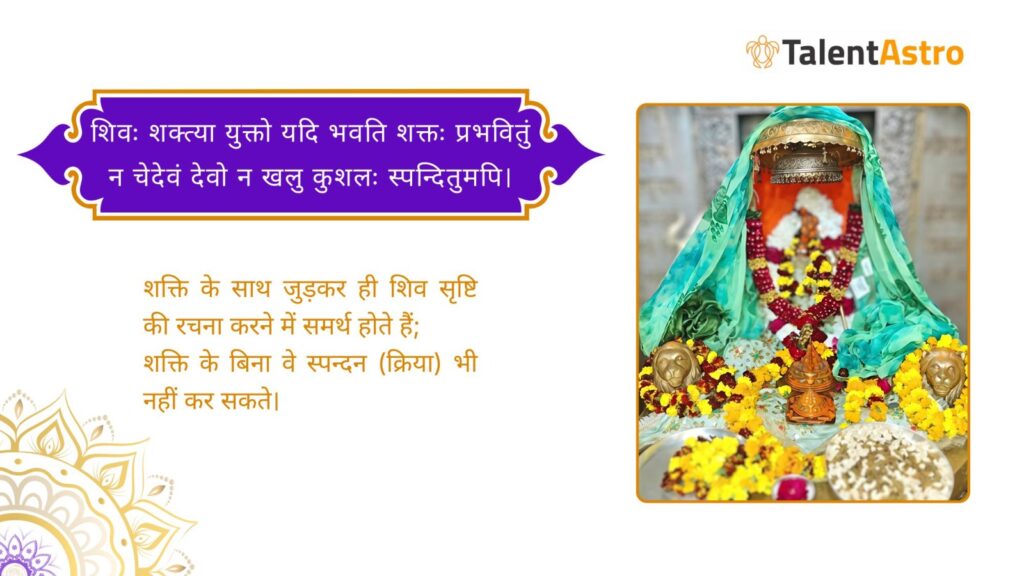
In the temple, Maa Lalita’s Swayambhu (self-manifested) black stone idol is enshrined. Her form is extremely beautiful and enchanting:
- Red color like vermillion
- Sugarcane bow, flower arrows, noose and goad in four arms
- Seated on a lotus throne
- Crown studded with gems
- Smiling countenance
The Mystery of the Name Tripura Sundari
Tripura” means three worlds (heaven, earth, underworld) and “Sundari” means the most beautiful. Thus Maa Lalita is the most beautiful goddess in all three worlds.
In the Sri Vidya tradition, she is also called Shodashi – the goddess of 16 letters who is the symbol of complete perfection. She is the combined form of Shiva and Shakti, where consciousness and energy become one.
Lalita Sahasranama: One Thousand Sacred Names
The Glory of Lalita Sahasranama
Compiled in the Uttara Khanda of the Brahmanda Purana, Lalita Sahasranama is a collection of one thousand names of Maa Lalita. This hymn was given to Sage Agastya by Lord Hayagriva (an avatar of Vishnu).
Some prominent names in this hymn:
- Shrimata**: Divine Mother
- Shrimaharajni**: Great Queen
- Kameshwara Prema Ratna**: Jewel of Lord Kameshwara’s Love
- Sarva Shakti Mayi**: Form of All Powers
- Duhkha Hantri**: Destroyer of Sorrows
- Sukha Prada**: Giver of Happiness
- Benefits of Reciting Lalita Sahasranama
Regular recitation of Lalita Sahasranama provides these benefits:
Spiritual Benefits:
- Kundalini awakening
- Purification of seven chakras
- Liberation from karmic bonds
- Attainment of moksha
Material Benefits:
- Increase in creativity (especially for writers and artists)
- Destruction of fear and self-doubt
- Mental clarity
- Wealth and prosperity
- Protection from negative energy
Astrological Significance: Relationship with Kundali Houses
Special Connection with the Fourth House (4th House)
Since Maa Sati’s heart fell here, this Shakti Peetha has a direct connection with the fourth house of the horoscope. The fourth house governs:
- Relationship with mother
- Home and property
- Emotional happiness
- Peace of mind
- Heart health
Moon is the significator of this house, and worshipping Maa Lalita removes Moon defects.
Remedies for Various Planets
- – Chakra Tirtha bath on Monday
- – Offering white flowers
- – Lalita Sahasranama recitation at night
- – Wearing pearl (after consulting an astrologer)
For Manglik Dosha
- Offer red flowers on Friday
- Regular worship for 40 days
- Lalita Sahasranama with Hanuman Chalisa on Tuesday
For Childbirth (5th House)
- – Special worship on Lalita Jayanti
- – Offer yellow and white flowers
- – Continuous sadhana for 48 days
For Pitru Dosha
- – Tarpan in Chakra Tirtha
- – Darshan and Shraddha during Pitru Paksha
- – Food donation on Amavasya
Worship Method and Mantras of Maa Lalita
Daily Worship Method
- Morning Bath:** Bathe before sunrise and wear clean clothes.
- Sankalpa:** Clearly state your wish in mind and determine the purpose of worship.
- Meditation:** Close your eyes and meditate on Maa Lalita’s divine form.
- Mantra Japa:** Chant the chosen mantra at least 108 times.
Shodashopachara Puja (16 Services)
1. Asana – Laying clean cloth
2. Swagat – Welcoming with folded hands
3. Padya – Water for washing feet
4. Arghya – Water with flowers
5. Achamana – Water for sipping
6. Snan – Bath with Panchamrit or water
7. Vastra – Red or yellow clothes
8. Abhushan – Offering ornaments
9. Gandha – Sandalwood paste
10. Pushpa – Red flowers (rose, hibiscus)
11. Dhupa – Incense
12. Deepa – Ghee lamp
13. Naivedya – Sweet prasad (kheer, halwa)
14. Tambula – Betel leaf
15. Dakshina – Coins or money
16. Pradakshina – Circumambulation 3 or 7 times
Important Mantras
Panchadashakshari Mahamantra (15 syllables)
ॐ ऐं ह्रीं श्रीं त्रिपुरासुन्दर्यै नमः
This is the supreme mantra suitable for all purposes. Chant 108 times daily.
Saubhagya Mantra (for wealth and prosperity):
ॐ ह्रीं श्रीं क्लीं ऐं सौः
Chant 108 times on Friday, offer red flowers and vermillion.
Santan Prapti Mantra (for childbirth):
ॐ ह्रीं क्लीं सौः जगत्प्रसूत्यै नमः।
ॐ परा प्रकृत्यै नमः। संतानं देहि देहि ह्रीं श्रीं॥
Chant 108 times continuously for 21 days.
Lalita Gayatri:
- ॐ कामेश्वर्यै विद्महे कामरूपिण्यै धीमहि।*
- तन्नो ललिता प्रचोदयात्॥
Reciting this mantra during twilight is especially fruitful.
Special Worship and Sadhana
Lalita Jayanti Puja (Chaitra Shukla Panchami
This is the most powerful day for worshipping Maa Lalita. Performing special worship on this day fulfills wishes immediately.
Date in 2026: March 24, 2026
Worship Method:
- Wake up during Brahma Muhurta (4-6 AM)
- Bathe and wear red clothes
- Install Sri Yantra
- Complete recitation of Lalita Sahasranama
- Chant mantra 108 times
- Offer sweet prasad and red flowers
Navaratri Navavarana Puja
During the nine days of Navaratri, worship the nine enclosures of Sri Chakra sequentially:
Day 1 Bhupura – Physical stability – 108 mantras
Day 2 16petal lotus – Wish fulfillment – 216 mantras
Day 3 8petal lotus – Speech perfection – 324 mantras
Day 4 14 triangles – Protection – 432 mantras
Day 5 Outer 10 triangles – Completeness – 540 mantras
Day 6 Inner 10 triangles – Secret powers – 648 mantras
Day 7 8 triangles – Siddhi attainment – 756 mantras
Day 8 3 triangles – Victory – 864 mantras
Day 9 Bindu – Supreme consciousness – 1008 mantras
Special Friday Worship
Friday is Maa Lalita’s day because it is associated with Venus (Shukra) which is the significator of beauty, love, and prosperity
Worship Method
- Wear red or pink clothes
- Offer red flowers (rose, hibiscus)
- Offer beauty items (kajal, bindi, bangles)
- Chant mantra 108 times
- Make sweet prasad
Special Benefits
- Obstacles in marriage are removed
- Love increases in relationships
- Increase in beauty and attraction
- Wealth and prosperity
Amazing Benefits of Darshan
Kundalini Awakening: Chakra Tirtha bath and worship of Maa Lalita intensify the Kundalini awakening process.
Activation of Seven Chakras: All seven chakras are purified, especially the Anahata (heart) chakra where Maa Sati’s heart fell.
Karma Purification: Accumulated karmas of many births are purified.
Path to Moksha: The path to liberation from the cycle of birth and death is paved.
Material Benefits
Wealth and Property:Major Trains:* Business growth, unexpected financial gains, property acquisition
Childbirth: Childless couples receive the joy of children, healthy pregnancy
Marriage Yoga:Removal of obstacles in marriage, resolution of Manglik Dosha, finding a good life partner
Career Success: Promotion at work, business progress, success in creative fields
Health: Benefits in heart diseases, improvement in emotional and mental health
Mental and Emotional Benefits
Emotional Healing: Resolution of childhood traumas, healing relationship wounds, forgiveness and acceptance
Stress Relief: Reduction in anxiety and depression, peaceful sleep
Mental Clarity: Removal of confusion, decision-making ability, concentration
Confidence: Destruction of self-doubt, awakening of inner strength
Creativity: Especially for writers and artists – removal of creative blocks, development of original thinking
Travel Guide: How to Reach Naimisharanya
Location Details
Address: Shri Mata Lalita Devi Temple, Naimisharanya, Sitapur District, Uttar Pradesh – 261206
By Air
Nearest Airport: Chaudhary Charan Singh International Airport, Lucknow
Distance: 95-110 km
Time: 2.5-3 hours
Taxi from Airport:
Pre-paid taxi: ₹2,500-3,500
Ola/Uber: ₹2,000-3,000
By Rail Accommodation
In Naimisharanya
Temple Dharamshala: ₹300-800/night
Yatri Niwas: ₹800-2,000/night
In Sitapur (30 km)
Hotel Yatri Niwas: ₹1,200-2,500
Other hotels: ₹1,000-2,000
In Lucknow (95 km)
Luxury hotels: ₹3,000-10,000/night
All modern amenities
Important Tips
Clothing
Wear simple/traditional clothes
Best: white or red clothes
Women: saree, salwar kameez
Men: kurta-pajama
Prasad and Offerings
Red flowers (rose, hibiscus)
Sweet prasad (halwa, laddoo, kheer)
Coconut
Dakshina: ₹11, ₹21, ₹51, ₹101
Chakra Tirtha Bath:
Time: Early morning (before temple darshan)
Wear light cotton clothes
Keep towel with you
Wear fresh clothes after bath
Food
Sattvic pure vegetarian food
Avoid meat, alcohol, onion, garlic
Local: simple dal-rice, roti-sabzi
Safety
Keep valuables safe
Travel in groups (especially women)
Use only authorized priests’ services
Major Station: Sitapur Junction (STP)
Distance from Temple: 30 km
Time: 45 minutes
Major Trains
- From Delhi: Sitapur Cantt Express, Gomti Express
- From Lucknow: Local trains (40 km, 1 hour)
Taxi from Station: ₹500-800
By Road
From Lucknow:
Distance: 95 km
Route: NH 24/NH 27
Time: 2-2.5 hours
Bus fare: ₹100-200
From Delhi:
Distance: 550 km
Time: 10-11 hours
Night buses available
Temple Darshan Timings
Morning: 5:00 AM to 12:00 PM
Morning Aarti: 6:30 AM
Abhishek Time: 7:00-9:00 AM
Evening: 4:00 PM to 10:00 PM
Evening Aarti: 7:00 PM
Best Time: Morning 6:00-9:00 AM (less crowd, fresh energy)
Accommodation
In Naimisharanya
- Temple Dharamshala: ₹300-800/night
- Yatri Niwas: ₹800-2,000/night
In Sitapur (30 km)
- Hotel Yatri Niwas: ₹1,200-2,500
- Other hotels: ₹1,000-2,000
In Lucknow (95 km)
- Luxury hotels: ₹3,000-10,000/night
- All modern amenities
Important Tips
Clothing
- Wear simple/traditional clothes
- Best: white or red clothes
- Women: saree, salwar kameez
- Men: kurta-pajama
Prasad and Offerings
- Red flowers (rose, hibiscus)
- Sweet prasad (halwa, laddoo, kheer)
- Coconut
- Dakshina: ₹11, ₹21, ₹51, ₹101
Chakra Tirtha Bath:
- Time: Early morning (before temple darshan)
- Wear light cotton clothes
- Keep towel with you
- Wear fresh clothes after bath
Food
- Sattvic pure vegetarian food
- Avoid meat, alcohol, onion, garlic
- Local: simple dal-rice, roti-sabzi
Safety
- Keep valuables safe
- Travel in groups (especially women)
- Use only authorized priests’ services
Conclusion: Journey of the Heart
The Shri Mata Lalita Devi Temple located in Naimisharanya is not just a pilgrimage site – it is a center of spiritual transformation where every devotee meets the divine within. Where Maa Sati’s heart fell, every visitor’s heart also opens – filled with love, compassion, and divine experience.
Whether you come with the desire for material happiness or in search of spiritual liberation, everything is possible by the grace of Maa Lalita. Welcome to the sacred ground of 88,000 sages, the composition place of Maharishi Vyasa, and the residence of 330 million deities.
ॐ ऐं ह्रीं श्रीं त्रिपुरासुन्दर्यै नमः